Strengthen Your Fire & EMS Training Program
an ITM Program
Explore resources designed to help departments strengthen training structure while improving documentation for ISO evaluations.
- How to define program goals, scope, and authority
- How to design governance and enforcement models
- How to map the complete ITM workflow from submission to closeout
- How to standardize inspection and testing data requirements
- How to measure compliance and scale the program over time
Quick Access to Resources
.svg)

.svg)
.svg)
.svg)
%204.png)
.png)
A Better Way to Run Your Training Program Is Here: Simplify Training Management with Faster Documentation and Improved Visibility
Introducing a faster, simpler way to run your training program, document activity in seconds, and keep your entire training program organized in one place with the all-new First Due Training & LMS.
Register Now
Register Now
View Recording
.png)
The ISO Training Audit Playbook: 7 Costly Mistakes Departments Make — and How to Avoid Them
Departments often lose ISO credit not because the work wasn’t done, but because it wasn’t documented correctly. Learn the most common ISO audit mistakes, what auditors actually look for, and how proper documentation ensures your department receives full credit for its work.
Register Now
Register Now
View Recording
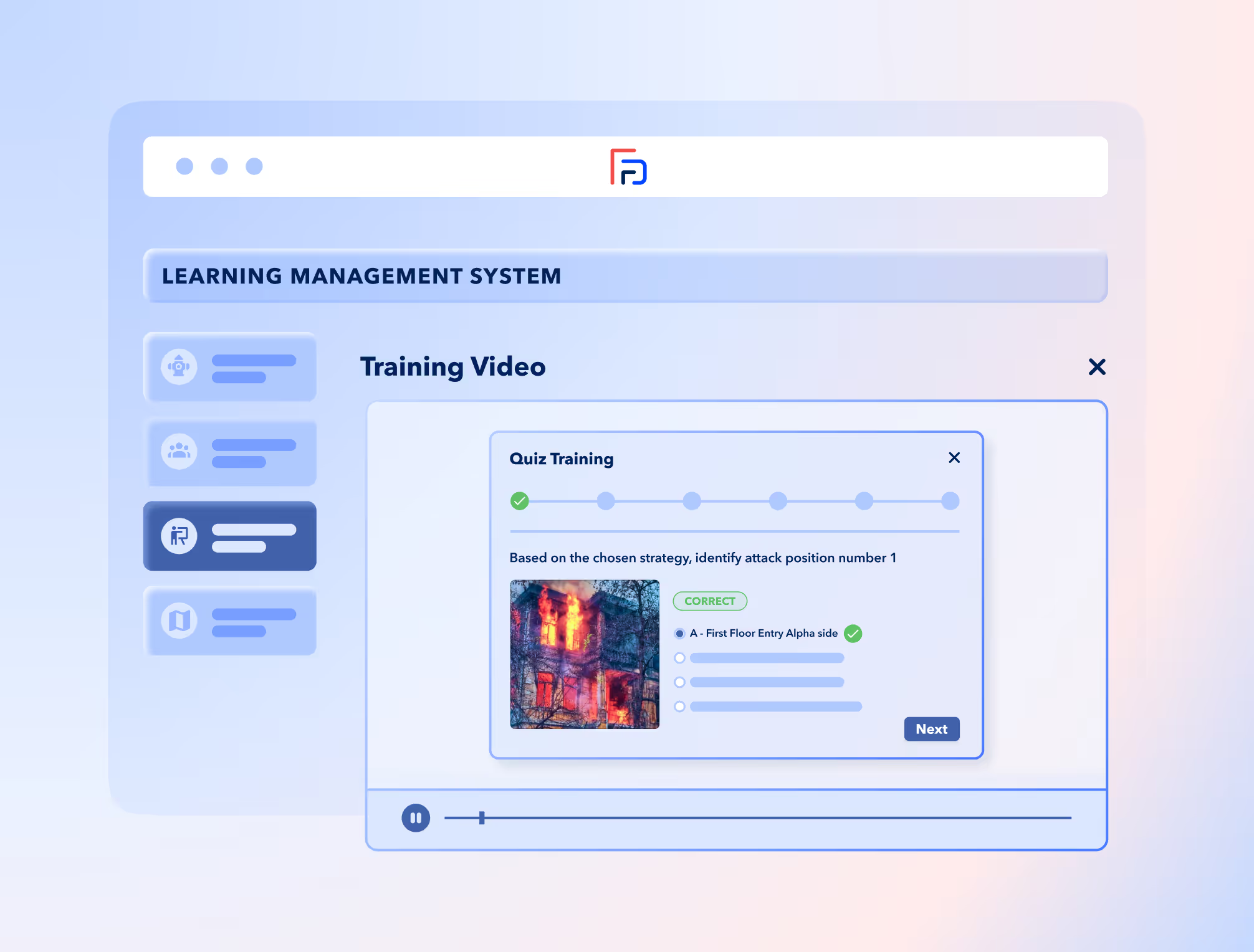
Your 2026 Training Guide Starts Here: How First Due Delivers the Framework & Tools You Need
Build a modern, compliance-ready training plan for 2026. Join First Due’s Training & LMS Webinar to learn how to centralize certifications, mandates, training content, and progress in one unified platform for greater readiness and compliance.
Register Now
Register Now
View Recording
.png)
Building Modern Training Programs for Fire & EMS Agencies
eBook
This eBook explores how fire and EMS agencies are building structured training systems that improve readiness, support compliance, and create better visibility across the organization. Learn how modern training platforms help departments organize training documentation, validate skills, and maintain ISO-ready records.
ISO Training Documentation Resources
Audit Playbook
These one-page resources highlight the most common training documentation issues departments encounter during ISO audits and outline practical steps for ensuring training receives full credit during evaluations.
.svg)
ISO-Ready Training Records for Fire Departments
.png)
.png)
ISO Audit Red Flags: A Step-by-Step Guide
Staying Might Be
This guide walks through common red flags across training records, apparatus documentation, response data, and pre-incident planning so departments can strengthen records before their next evaluation.
.png)
ISO Training Vendor Evaluation Checklist
Use this checklist to evaluate whether your current platform supports training categorization, certification tracking, reporting, and documentation needed for audit readiness.
.png)
Simplify Training, Certifications, and Compliance
Staying Might Be
Explore how First Due’s Training & Learning Management platform helps departments centralize training documentation, track certifications, generate reports, and maintain compliance with ISO documentation requirements.
.png)
Fire & EMS Training in the Age of AI
Explore the Future of Fire & EMS Training
In this episode, Amanda Champion joins the discussion to explore the current state of Fire & EMS training, the challenges departments face in managing training documentation, and how training records management systems and learning management systems are evolving.
The conversation also explores how artificial intelligence may influence training priorities, skill validation, and the way departments analyze performance data in the years ahead.
.png)